Go Green by Turning Scrap Material Into Beautiful and Functional Creations
Going green isn't just a trend--it's a lifestyle choice that benefits not only the planet but also your personal surroundings and creativity. Transforming scrap material into stunning and practical creations is a brilliant way to reduce waste, conserve resources, and express your artistic side. Imagine turning what others see as trash into treasures that are both eco-friendly and functional. This comprehensive guide will inspire you to rethink your waste and lead you on the path to a sustainable, greener future.
What Does It Mean to Go Green with Scrap Materials?
The concept of "going green with scrap materials" refers to the practice of reusing, repurposing, and upcycling what would otherwise end up in landfills. Scrap materials can include metal, wood, glass, plastics, paper, fabric, and everyday household items that might seem unusable at first glance. By giving these materials new life, you contribute to environmental conservation, reduce your carbon footprint, and inspire others to embrace sustainability.
Top Benefits of Turning Scrap Into Useful and Beautiful Creations
- Environmental Protection: Reusing scrap materials minimizes waste, conserves natural resources, and reduces energy usage associated with producing new items.
- Saves Money: Creating with scrap often costs less than buying new products, helping both your wallet and the planet.
- Unleashes Creativity: Upcycling encourages you to think outside the box, finding beauty and function in unexpected sources.
- Promotes Unique and Personalized Decor: Handmade items tell a story, adding character to your home and making thoughtful gifts.
- Encourages Community and Education: Sharing knowledge about upcycling fosters community involvement and environmental awareness.
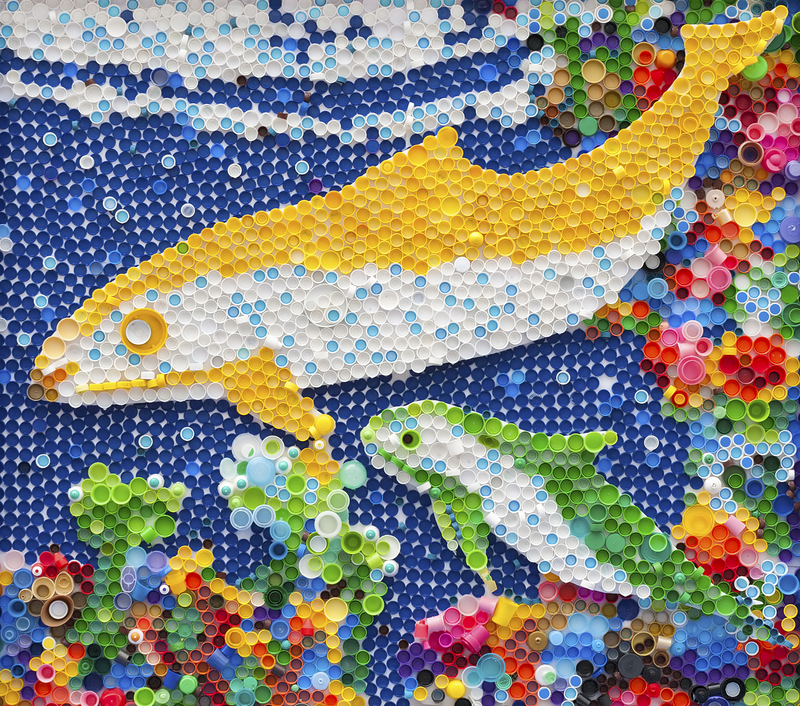
Popular Ways to Upcycle Scrap Material
Whether you're a beginner or a seasoned DIY enthusiast, there are countless ways to repurpose scrap materials into valuable and eye-catching creations. Here are a few popular ideas:
1. Scrap Wood into Rustic Furniture and Art
Old pallets, discarded boards, or even broken furniture can be transformed into stylish items.
- Build unique coffee tables, side tables, or shelves with reclaimed wood.
- Create wall art using scrap pieces arranged in geometric, abstract, or themed patterns.
- Use wooden crates and blocks to make modular storage units that are both beautiful and functional.
2. Metal Scrap Becomes Industrial Decor and Useful Tools
Don't let those leftover metal rods, pipes, or sheet metal go to waste.
- Weld small pieces into candle holders, clocks, or sculptures for a modern touch.
- Bend and twist wire to create hooks, wall racks, or plant hangers.
- Combine various metals for eclectic mixed-media art or furniture accents.
3. Glass Bottles, Jars, and Windows--From Trash to Treasure
Before you recycle any glass, consider how it can be reused.
- Glass bottles make beautiful vases, lighting fixtures, or even colorful garden borders.
- Old windows can be turned into picture frames, cabinet doors, or terrariums.
- Jars are perfect for storage, candle holders, or creative crafts with children.
4. Old Clothes and Fabric Scraps Find New Life
The fashion industry generates massive waste, but you can help combat this by upcycling textiles.
- Quilts, tote bags, and cushion covers can all be made from fabric scraps and retired garments.
- Denim jeans can be reinvented as aprons, organizers, or sturdy placemats.
- Patchwork art or upcycled fashion designs become unique, sustainable fashion statements.
5. Creative Uses for Paper, Cardboard, and Books
Paper and cardboard are versatile and easy to work with.
- Transform old books into secret storage boxes, art journals, or intricate sculptures.
- Cardboard can be used for kids' crafts, custom organizers, or even small furniture projects.
- Magazine pages make colorful mosaics, coiled placemats, or decoupage decor.
Step-by-Step Guide: Upcycling Scrap Material at Home
Ready to start your own green creation project? Follow these steps to turn your scrap into something extraordinary:
Step 1: Survey and Collect Your Scrap Materials
- Look around your home, garage, and garden for useful discardable items--metal, wood, glass, fabric, or paper.
- Ask friends and neighbors for materials they might be throwing away.
- Visit thrift stores, recycling centers, or flea markets for more inspiration.
Tip: Organize your scrap materials by type and size to make designing simpler.
Step 2: Choose Your Project and Gather Inspiration
- Browse online platforms like Pinterest, Instagram, or YouTube for innovative DIY upcycling ideas.
- Decide whether you want to focus on practical items (like storage) or decorative items (like wall art).
- Make a sketch or plan for your project.
Step 3: Clean and Prepare Your Scrap Material
- Wash glass, metal, and plastic thoroughly.
- Remove nails or finish from wood; iron or wash fabric scrapes.
- Sand or paint surfaces as needed to ensure safety and durability.
Step 4: Assemble Your Tools and Workspace
- Depending on your project, you may need glue, screws, nails, a hammer, saw, scissors, or a sewing machine.
- Set up a safe, well-lit area to work on your project.
- Wear appropriate protection, especially when working with sharp tools or strong adhesives.
Step 5: Build and Personalize Your Creation
- Follow your plan, but don't be afraid to improvise.
- Add paint, stain, fabric, or decorative elements to enhance beauty and function.
- Take your time; patience yields the best results!
Step 6: Show Off Your Finished Product
- Display your upcycled creation at home, gift it to a friend, or share it on social media to inspire others.
- Consider joining craft fairs, local markets, or online shops to sell your pieces.
- Document before-and-after photos to showcase the transformation!
Real-Life Success Stories: Turning Trash into Treasure
Eco-Innovators Leading the Green Creation Movement
- Artists and craftspersons around the world are redefining art by using only recycled materials. Notable examples include sculptures from automobile parts, jewelry from electronic waste, and furniture from driftwood.
- Entrepreneurs are building successful businesses selling upcycled decor, eco-friendly fashion, and sustainable homeware, inspiring a new wave of conscious consumers.
- Nonprofits and schools are integrating upcycling into their curriculum, teaching students about sustainability while fostering creativity and practical skills.
Such initiatives prove that scrap material upcycling is a force for positive environmental and social impact worldwide.
Tips for Making Your Upcycled Creations Even More Eco-Friendly
- Use non-toxic paints and adhesives to ensure your creations remain safe for both your family and the environment.
- Opt for solar-powered or LED lighting in lamp or light fixture projects to further reduce energy consumption.
- Educate your family and friends on the benefits of upcycling and encourage them to try their own green projects.
Common Mistakes to Avoid When Upcycling Scrap Materials
- Neglecting safety: Always wear protective gear, especially when cutting or sanding materials.
- Overcomplicating projects: Start simple and gradually tackle more complex designs as your skills grow.
- Failing to properly clean materials: This can compromise both the look and longevity of your creations.
Choosing the Right Project for Your Skills and Materials
If you're new to upcycling, start with small projects such as:
- Decorative picture frames from scrap wood
- Planters from old cans or jars
- Fabric coasters from leftover cloth
- Magazine organizers from cardboard boxes
For advanced crafters, consider:
- Building furniture from pallets and reclaimed lumber
- Creating sculptures or functional art pieces from metal scraps
- Designing wearable art or bags from upcycled textiles
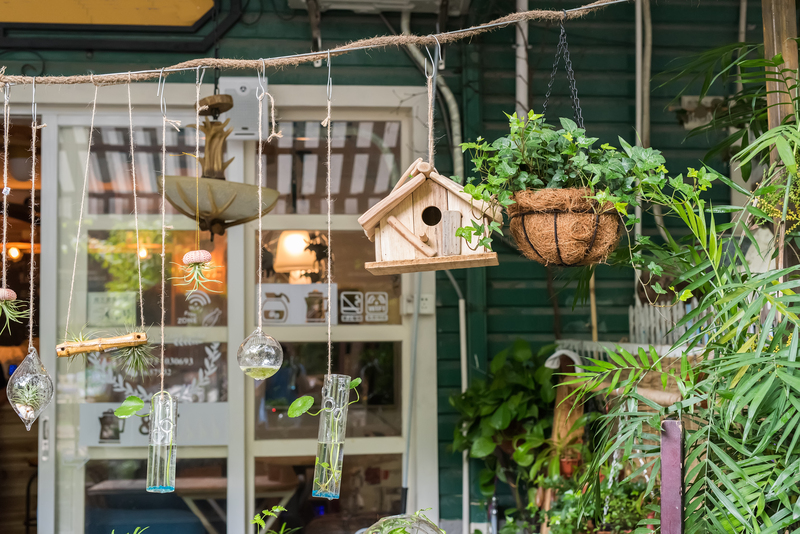
FAQs About Going Green by Turning Scrap Material Into Creations
What are the most common items to upcycle?
Common upcycling materials include glass jars, fabric remnants, old furniture, cardboard boxes, wooden pallets, and kitchenware. Nearly anything destined for the garbage can be reimagined!
Do I need expensive tools to upcycle scrap materials?
Most beginner upcycling projects require only basic hand tools like scissors, a hammer, glue, or a screwdriver. As you advance, you might invest in power tools or specialty equipment, but creativity matters most.
How can I learn more about upcycling and green living?
There are countless resources online, including green blogs, YouTube tutorials, eco-friendly craft books, and local workshops. Joining online communities is a great way to share, learn, and stay motivated.
Conclusion: Join the Green Revolution--Create, Inspire, and Sustain!
The journey towards a greener, more sustainable world starts with small, meaningful choices. By turning scrap material into beautiful and functional creations, you're not just reducing waste--you're also nurturing your creativity, saving money, and inspiring your community. So, the next time you're about to throw something away, ask yourself: Could this become my next masterpiece?
Don't just go green--create green! Every upcycled project is a step towards a brighter, cleaner, and more imaginative world. Start today by exploring your home for materials, planning your first project, and sharing your results. Together, we can turn the ordinary into the extraordinary.
If you found this guide helpful, share it with friends and family, bookmark for inspiration, and begin your journey to transform scrap into functional, beautiful eco-friendly creations. Let's create a greener tomorrow, one project at a time.