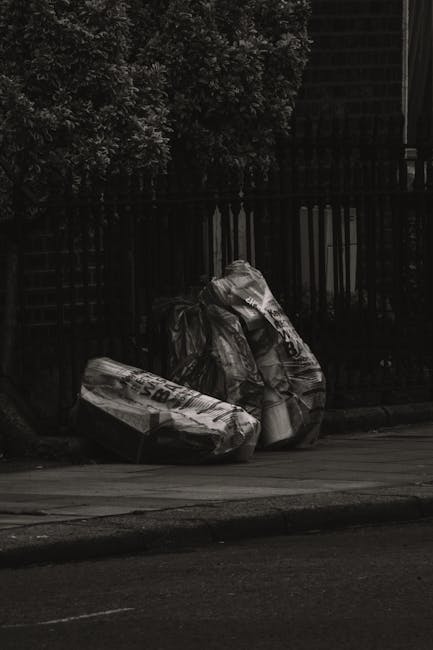
St Marys Lane Upminster rubbish collection guide
If you live, work, or manage a property around St Marys Lane in Upminster, rubbish has a way of building up faster than you expect. One box becomes three. A broken chair stays by the wall. Then a bag of garden cuttings, a bit of builder's rubble, maybe an old mattress in the hallway, and suddenly the job feels bigger than it should. This St Marys Lane Upminster rubbish collection guide is here to make that whole process feel clear, manageable, and a lot less stressful.
You will find practical advice on how rubbish collection works locally, what to prepare before booking, which waste types need extra care, and how to choose the right clearance approach for your home, flat, office, or renovation project. Truth be told, most waste problems are not really "waste" problems. They are planning problems. Fix the planning, and the rest gets much easier.
Whether you need a one-off bulky item removal or a fuller clearance, the goal is the same: get the waste gone safely, legally, and without turning your day upside down.
Table of Contents
- Why St Marys Lane Upminster rubbish collection guide matters
- How St Marys Lane Upminster rubbish collection guide works
- Key benefits and practical advantages
- Who this is for and when it makes sense
- Step-by-step guidance
- Expert tips for better results
- Common mistakes to avoid
- Tools, resources and recommendations
- Law, compliance, standards, and best practice
- Options, methods, and comparison table
- Case study or real-world example
- Practical checklist
- Conclusion
- Frequently asked questions
Why St Marys Lane Upminster rubbish collection guide Matters
St Marys Lane is the kind of place where waste can become awkward quickly. Homes may have limited driveway space, flats may have stairs or shared access, and businesses often need rubbish moved without disrupting customers, staff, or neighbours. Add in a busy road, timed access, and the usual London realities, and you can see why rubbish collection needs a bit of thought.
This matters for three reasons. First, clutter is disruptive. It affects how a property feels, how safely people can move around, and how quickly a room can be used again. Second, the wrong disposal method can create avoidable costs or delays. Third, some items need careful handling, especially anything sharp, heavy, electrical, or classed as hazardous.
In our experience, people often wait until rubbish becomes urgent before acting. That is usually when frustration kicks in. A better approach is simple: sort the waste, understand what needs specialist handling, then book the right type of collection. That saves time and, quite often, money too.
Key takeaway: a good rubbish collection plan is less about lifting bags and more about removing uncertainty.
How St Marys Lane Upminster rubbish collection guide Works
Most rubbish collection jobs follow a fairly similar pattern, even if the waste itself looks very different. The main difference is how much you prepare before collection day and whether the waste is straightforward household rubbish or something that needs specialist attention.
Typically, the process starts with identifying the waste type and volume. A few black bags is one thing. A garage full of mixed junk is another. Once you know what you are dealing with, you can choose the most suitable option: small-item collection, bulky waste removal, household clearance, or a more targeted service such as house clearance, office clearance, or builders waste clearance.
The collection itself normally works by loading waste directly from the property into a vehicle. That can be faster than hiring a skip if you do not want to handle loading yourself or if there is limited room outside. For heavier or mixed items, a direct collection also helps keep the job tidy. No one really wants rubble, broken furniture, and old appliances sitting out on the pavement while they wait, to be fair.
If you need clarity on what counts as acceptable waste, the page on what can go in a skip is a useful reference point, even if you are not hiring a skip. It helps you think in categories: general waste, inert waste, reusable items, electricals, and restricted materials.
There is also a practical side to timing. Collections are often smoother when access is clear, the waste is separated where possible, and bulky items are not buried under loose rubbish. A small bit of prep can turn a messy job into a neat one.
Key Benefits and Practical Advantages
The biggest benefit is obvious: your space becomes usable again. But the real advantages go a bit deeper than that. A well-planned rubbish collection reduces stress, protects the property, and often makes the whole process feel surprisingly efficient.
- Less disruption: waste is removed in one organised visit rather than dragged out over several trips.
- Better safety: sharp edges, heavy furniture, and awkward items are handled with more care.
- Cleaner presentation: this matters for landlords, letting agents, shopfronts, and anyone preparing for visitors or sale.
- More flexible for mixed waste: useful when your load includes garden waste, household clutter, and broken furniture together.
- Faster turnaround: especially helpful if you are working to a moving date, refit schedule, or end-of-tenancy deadline.
There is another benefit people often overlook: headspace. A clear room changes how a place feels. You can hear it, almost. Less echo, less clutter, less pressure. A clear hallway, for instance, immediately makes a home feel less crowded, even before the rest of the job is done.
If your waste includes bulky furniture, it may be worth looking at furniture clearance or furniture disposal depending on whether items are being removed as part of a bigger clear-out or disposed of as individual pieces. For larger household projects, home clearance can be a better fit.
Who This Is For and When It Makes Sense
This guide is useful for a wide mix of people. If you only have a couple of bags to throw away, you may not need much more than local disposal options. But once the job grows beyond the everyday, it helps to think a little more strategically.
- Homeowners clearing lofts, sheds, garages, or spare rooms.
- Tenants preparing for move-out and trying to leave a property tidy.
- Landlords and agents dealing with leftover furniture or abandoned rubbish.
- Tradespeople generating light construction or strip-out waste.
- Offices and small businesses disposing of desks, boxes, packaging, or confidential clutter.
- Anyone with bulky items that are awkward to carry, too large for a normal bin, or not suitable for standard collection.
It also makes sense when access is tricky. Flats with stairs, narrow entrances, or limited parking can be a pain if you are trying to move heavy waste yourself. That is where services such as flat clearance or garage clearance can save a lot of bother.
And if the waste is mainly business-related, business waste removal is often the more sensible route because it is set up around commercial expectations rather than domestic ones.
Step-by-Step Guidance
Here is a practical way to handle rubbish collection around St Marys Lane without overcomplicating it.
- Identify the waste type. Separate general rubbish, furniture, electrical items, garden waste, and any hazardous material.
- Estimate the volume. A few bags, a van-load, or a bigger mixed clearance all need different planning.
- Check access. Think about parking, stairs, narrow halls, gates, and whether items can be carried out safely.
- Remove personal items. Drawers, cupboards, sheds, and filing cabinets often hide things people forget in a rush.
- Group items logically. Put furniture together, keep loose waste in one area, and stack safely if possible.
- Flag special items early. Fridges, freezers, mattresses, sofas, and potentially hazardous materials may need specific handling.
- Book the most suitable service. A targeted service is usually easier than trying to squeeze everything into one generic solution.
- Prepare the route. Clear hallways, unlock gates, and make sure the collection point is easy to reach.
- Ask about sorting and recycling. A responsible provider should separate reusable and recyclable materials where practical.
If your job includes old appliances, it is sensible to review fridge and appliance removal before collection day. If there is any concern about cleaning products, chemicals, or unknown materials, the safer route is hazardous waste disposal.
For larger clearances in lofts, the same logic applies. A bit of sorting first makes the collection faster and reduces the chance of missed items. Loft jobs always look smaller from the hatch than they do when you start carrying bags down the stairs. Funny how that works.
Expert Tips for Better Results
Small habits make a big difference. A good rubbish collection is usually won or lost in the prep.
- Don't mix everything into one pile if you can avoid it. Separation makes loading and disposal smoother.
- Put the heaviest items nearest the exit. That saves time and reduces lifting hazards.
- Take quick photos before the collection. This helps with job planning and avoids confusion about what is being removed.
- Keep one walkway clear. It sounds obvious, but people forget once a room starts filling with bags and boxes.
- Be clear about what stays. A labelled "do not remove" box can prevent mistakes when a room is busy.
- Plan around neighbours and traffic. On a tighter road, timing can matter more than you think.
If you are clearing furniture, look at whether items can be reused, donated elsewhere, or broken down safely. For sofa-heavy jobs, the page on mattress and sofa disposal is especially useful because these items tend to be awkward, bulky, and messy to handle.
One more thing: if the collection includes paperwork, staff records, or private files, keep them separate and use confidential shredding rather than putting them in general rubbish. It is a simple step, but a very sensible one.
Common Mistakes to Avoid
Most waste collection problems are avoidable. The tricky part is that the mistakes often look small at first.
- Leaving sorting until the last minute. This creates rushed decisions and more mistakes.
- Underestimating weight. A bag of mixed rubble is very different from a bag of soft household waste.
- Ignoring access issues. If a collection vehicle cannot get close, the job may take longer than expected.
- Forgetting restricted items. Fridges, chemicals, and some electrical items should not be treated like ordinary rubbish.
- Assuming everything can go together. Mixed waste is common, but it still needs to be assessed properly.
- Not checking service fit. A simple pickup may not be the best choice for a whole-house clearance.
A lot of people also forget to measure doors, stair turns, or the width of a side passage. Then the item is at the doorway and everyone does that awkward pause. You know the one. Better to check first than to wrestle with a wardrobe halfway down the stairs.
For bigger clearances, especially where there may be builders' debris, compare your needs against builders waste clearance and general waste removal so you do not book the wrong type of service.
Tools, Resources and Recommendations
You do not need fancy equipment to organise a rubbish collection well, but a few practical tools help a great deal.
- Heavy-duty bags or boxes: useful for loose waste, clothing, paperwork, and small items.
- Tape and labels: helpful for marking keep, donate, and remove piles.
- Gloves and sturdy footwear: basic, but worth saying. Safety first, always.
- Measuring tape: ideal for checking whether large items will clear doors or stair bends.
- Phone camera: great for taking quick pictures of the job before collection.
On the service side, useful pages to review include pricing and quotes if you want to understand how jobs are usually estimated, and book online if you are ready to arrange a collection without much back-and-forth.
It is also sensible to check the company's insurance and safety information and its recycling and sustainability approach. Those pages give you a better feel for how responsibly the waste will be handled.
Law, Compliance, Standards, and Best Practice
Waste collection in the UK is not something to treat casually. You do not need to be an expert in environmental rules to book a collection, but it helps to understand the basics. Waste should be handled by a provider that operates lawfully, manages transport properly, and disposes of materials through appropriate routes. That is especially important for anything potentially hazardous or commercially sensitive.
For householders, the main best-practice points are simple: separate waste where possible, do not leave sharp or dangerous items loose, and do not mix prohibited materials with general rubbish. For businesses, the responsibilities tend to be broader. Records, compliance, and duty of care matter more, especially if the waste is collected from a workplace or includes confidential material.
If you are dealing with construction waste, know that mixed rubble, plasterboard, timber offcuts, and packaging often need different handling. That is why a service like builders waste clearance is usually the safer bet than a generic one-size-fits-all approach.
Best practice also includes protecting workers and residents during collection. Clear access, no trip hazards, sensible lifting, and proper segregation are not bells and whistles; they are the difference between a smooth job and a frustrating one. The company's health and safety policy is worth reviewing if you want reassurance on how that side is handled.
And if a provider's approach feels vague, ask questions. A reputable service should be happy to explain what happens to your waste, how it is sorted, and what cannot be taken. That is just plain good practice.
Options, Methods, and Comparison Table
There is more than one way to remove rubbish from a property near St Marys Lane. The best option depends on the volume, type of waste, access, and how hands-on you want to be.
| Method | Best for | Pros | Trade-offs |
|---|---|---|---|
| Bag-and-bin disposal | Small amounts of everyday rubbish | Simple, low effort, good for routine waste | Not suitable for bulky or heavy items |
| Skip-style planning | Medium volumes of mixed waste | Handy for ongoing projects and DIY jobs | Requires space and self-loading |
| Direct rubbish collection | Bulky, awkward, or time-sensitive waste | Fast, flexible, less lifting for you | May not suit very small jobs |
| Full property clearance | Whole rooms, flats, houses, garages, or offices | Best for bigger clear-outs and mixed items | Needs more planning and clearer instructions |
If you are torn between approaches, ask yourself one honest question: do you want to move rubbish, or do you want the rubbish moved? That answer usually decides it. For a lot of busy households and businesses, direct clearance is the least disruptive option.
For specialist household items, the relevant service page can make the decision easier. A garage full of old bits may suit garage clearance, while loft clutter may be better tackled through loft clearance.
Case Study or Real-World Example
Here is a typical local scenario. A family on or near St Marys Lane finishes a room refresh and suddenly has a pile of things to deal with: an old sofa, two broken shelves, several bin bags, and a tired washing machine that has finally given up. None of it is exotic. All of it is awkward.
At first, they think about doing it piecemeal. One trip here, one trip there. But the hallway is narrow, the car boot is too small, and the appliance is heavier than it looked in the kitchen. After a quick sort, they separate reusable items, keep paperwork aside, and move everything else into one accessible space.
That simple prep changes the whole job. The collection becomes quicker, the route out of the property is clearer, and the biggest items are handled safely rather than awkwardly. The room feels bigger almost straight away. A bit of light in the corner. Less stale smell from old storage. Much better.
That kind of result is exactly why a clear rubbish collection plan matters. It is not just about removal. It is about getting your space back without creating another mess on the way.
Practical Checklist
Use this before collection day. It keeps things neat and saves a lot of backtracking.
- Sort waste into clear groups: general, bulky, electrical, garden, builder's, and hazardous.
- Remove personal belongings, documents, and valuables.
- Check which items need specialist disposal.
- Measure large furniture or appliances if access is tight.
- Clear the route from the property to the collection point.
- Label anything that must not be taken.
- Take a few photos if the job is large or mixed.
- Review pricing and service details before booking.
- Choose a collection method that matches the volume of waste.
- Keep children, pets, and vulnerable residents away from the work area during loading.
Quick summary: if you sort first, the collection feels easier. If you guess first, the job usually gets messier than expected. It happens.
Get a free quote today and see how much you can save.
Conclusion
A good St Marys Lane Upminster rubbish collection guide should leave you feeling more in control, not more overwhelmed. The main idea is straightforward: identify the waste, prepare the access, choose the right collection method, and make sure anything sensitive or hazardous is handled properly. Do that, and even a messy clear-out becomes a sensible, manageable job.
If you are dealing with furniture, appliances, garden waste, office clutter, or a full property clearance, the right service can save time, reduce stress, and keep the job safe. And that is really the point. Not perfection. Just a clean finish, a clear space, and a bit of breathing room again.
One small job done properly has a way of making the rest of the day feel lighter.
Frequently Asked Questions
What does a rubbish collection service usually take from St Marys Lane properties?
It commonly includes household clutter, bags of rubbish, furniture, garden waste, appliance items, and mixed clear-out material. The exact scope depends on the service and whether any items need specialist handling.
Is rubbish collection better than hiring a skip?
It depends on your situation. If you want less lifting, faster removal, and easier handling of bulky items, collection can be the better option. If you are doing an ongoing DIY job and have space for a skip, that can work well too.
How should I prepare for a rubbish collection?
Sort the waste, clear a path, separate special items, remove valuables, and make sure the collection area is accessible. Even ten minutes of prep can make the job noticeably smoother.
Can I include furniture and appliances in the same collection?
Often yes, but it is wise to flag them in advance. Sofas, mattresses, fridges, and other appliances may need separate handling or disposal checks, so mention them when arranging the job.
What if I have hazardous waste?
Hazardous items should not be mixed with general waste. If you are unsure whether something counts as hazardous, treat it cautiously and ask for specialist guidance before booking collection.
Do I need to be home during the collection?
That depends on how the job is arranged. For some collections, being there helps confirm what stays and what goes. For others, access instructions are enough. Clear communication matters either way.
Is rubbish collection suitable for flats and upstairs properties?
Yes, but access needs to be considered carefully. Stairs, tight landings, and shared entrances can slow things down, so it helps to choose a service that is used to flat clearance and awkward access.
How can I reduce the cost of a rubbish collection?
Sort waste beforehand, separate recyclable items where possible, make access easy, and be clear about the exact load. A tidy, well-described job is usually easier to price than a mixed mystery pile.
What should I do with confidential paperwork?
Keep it separate from normal rubbish and use confidential shredding rather than general disposal. That is the safer, more responsible choice for private documents.
Can builders' rubble and household rubbish go together?
Sometimes they can be collected together, but mixed waste needs careful assessment. Builders' debris often behaves differently from household rubbish, so it is better to be explicit about the contents.
How do I know if a service is trustworthy?
Look for clear explanations, sensible safety guidance, practical pricing information, and a responsible recycling approach. If a company is vague about what happens to the waste, that is worth questioning.
What is the best first step if my property feels completely cluttered?
Start with one small area, not the whole property. A hallway, one room, or one pile is enough to begin. Once the first area is clear, everything else tends to feel more doable. One step at a time, honestly.
Where can I learn more about responsible waste handling?
Useful starting points include recycling and sustainability information, health and safety guidance, and service pages that explain which items are accepted. Those details help you make a better decision before booking.